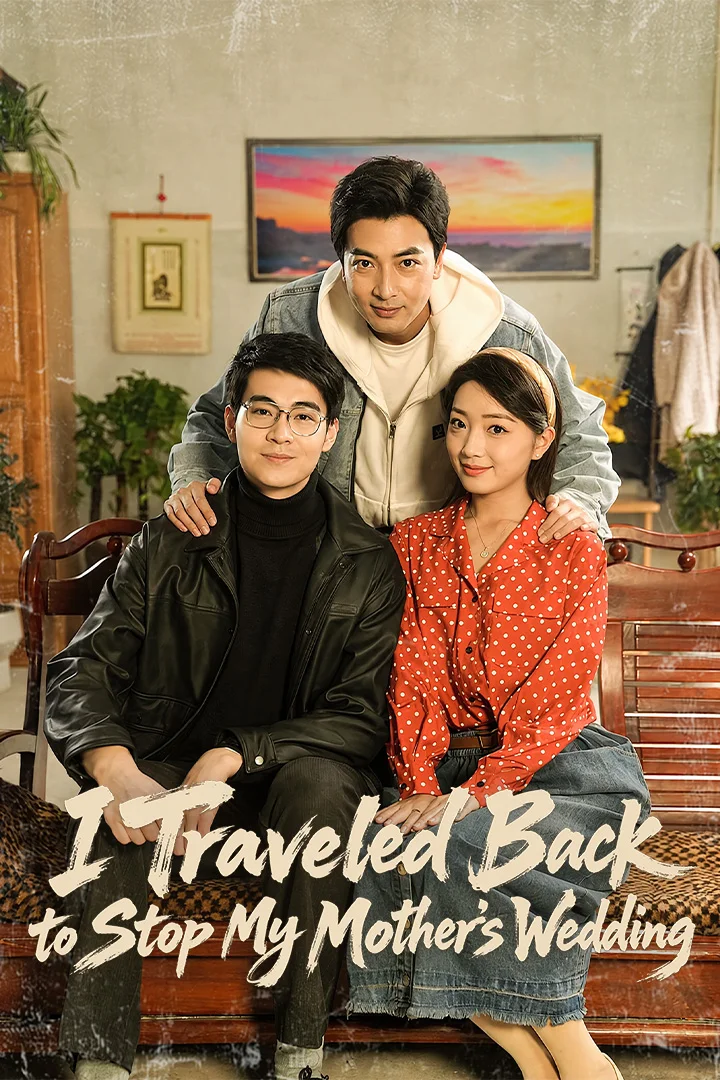
I Traveled Back to Stop My Mother's Wedding
85 episodes · Comedy · Family · Fantasy · Modern & Urban · Revenge & Comeback · Time Travel & Transmigration
- 0saves
- 0watches
- No ratings yet– / 10
- 🌶️–– / 5
Synopsis
Owen has just watched his mother, Fiona, die by suicide—driven to it by years of cruelty from his father, Marcus. That same night, after a violent confrontation with Marcus, Owen is hit by a car. When he opens his eyes, he is in 1997. He is young again. The city is different. The streets are filled with old songs and old faces. And Fiona is alive. She hasn't married Marcus yet. She is still free, still hopeful, still unaware of the life waiting for her. Owen realizes he has been given something impossible: a chance to save her. He decides to stop the wedding—no matter what it takes. He tries to warn her. He tries to keep her away from Marcus. He even tries to introduce her to a man he knows will become a billionaire, a future far brighter than anything Marcus could offer. But every step he takes pulls him deeper into the world of 1997, and the more he interferes, the more Marcus begins to sense that something is wrong. Because Marcus is not the same man here. He is charming, calculating, and already playing a long game. When Owen tries to pull Fiona away, Marcus pushes back—not with violence, but with patience, with manipulation, with a quiet understanding that someone is working against him. Father and son circle each other across time, each move reshaping the future Owen is trying to rewrite. Owen finds allies along the way. Elliot, a young entrepreneur with a debt to repay, stands by his side. Marcus's own mother, Mrs. Hayes, sees the darkness in her son and quietly helps Owen. But the closer Owen gets to changing Fiona's fate, the more he must confront a paradox he cannot escape: if she never marries Marcus, Owen will never exist. To save his mother's life, he may have to erase his own.
Where to watch

Top reviews
Nobody has reviewed this drama yet.
Details
- Episodes
- 85 (9 free, 76 paid)
- Subtitles
- English
Something missing or wrong? Suggest an edit