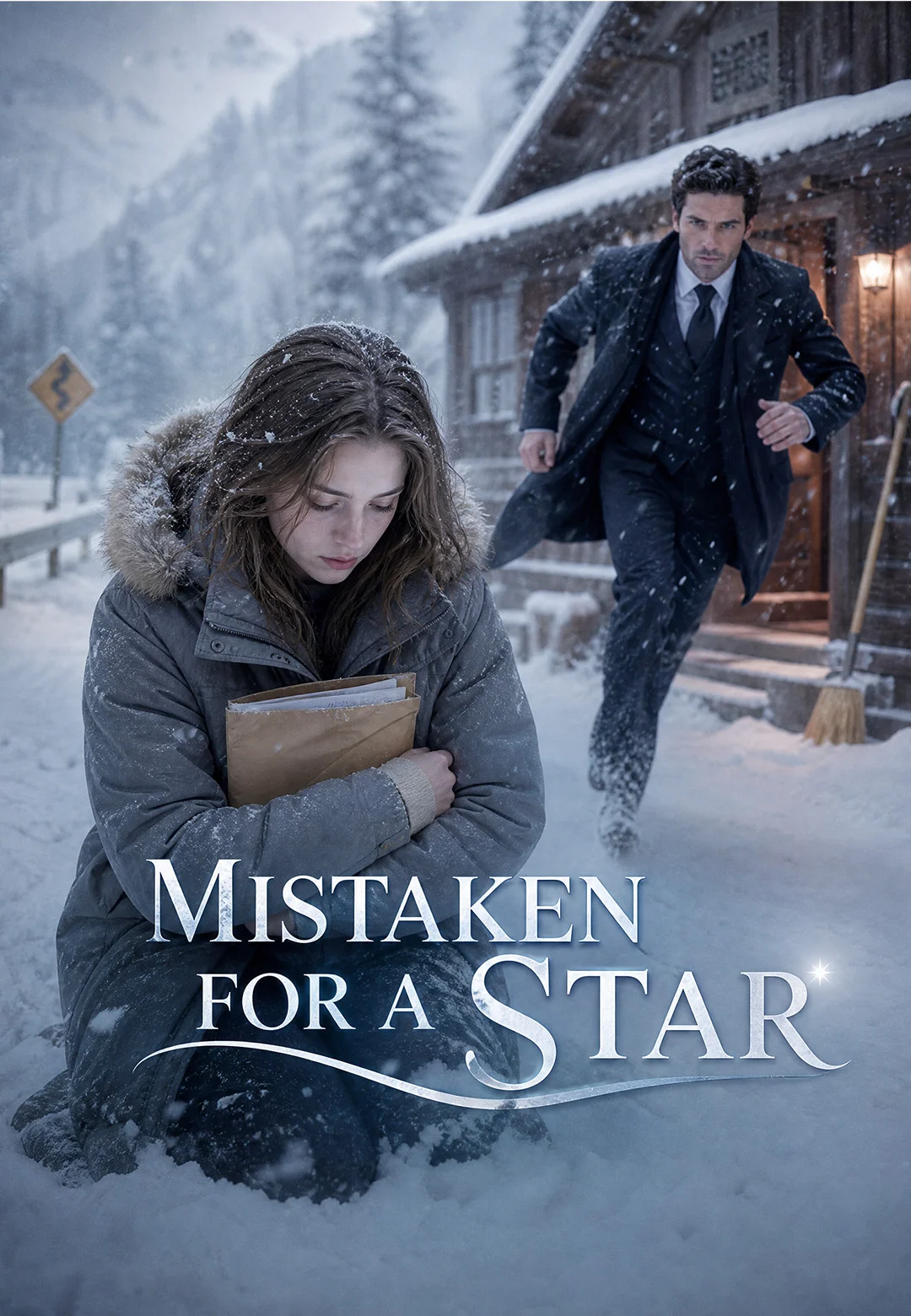
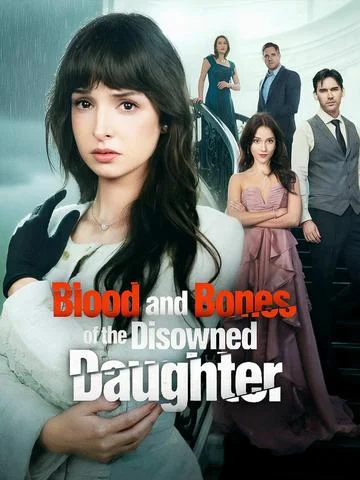
On a winter night in Boston, twenty-two-year-old Iris fights with her brother Carter and runs out into the rain — and jumps from the Charles River bridge. She wakes from a coma to a diagnosis of scrambled memory. At her bedside, Carter looks almost relieved. He points at a deathly pale stranger at the end of the corridor: "That's your brother. Get it straight, and stop bothering me." The man — Elias — walks over and gently touches her head. "Come on. I will take you home." Iris lets him. In his mountain house she finds bottles of sleeping pills, a black-and-white portrait that wears the same dead expression as its owner, and a diagnosis slip reading "End-stage heart failure." He wants to die even more than she does. So two people who have given up make one pact: let's try living. Iris spends her fifteen-million-dollar inheritance hunting for a heart, trudges ten kilometres through a blizzard to beg a renowned surgeon to operate, and refuses to let go — while her own brother fights her every step of the way, unable to admit he is losing her. A match is found. Then the donor's family changes its mind. In a hospice room in Norway, Elias tells her: "I never once mistook you. Not for a single day. Live." A year later, Iris scatters his ashes under the northern lights and starts over in San Francisco — where a hollow-eyed Carter stops her on the street and asks her to come home for dinner. She says no. She has a job interview.