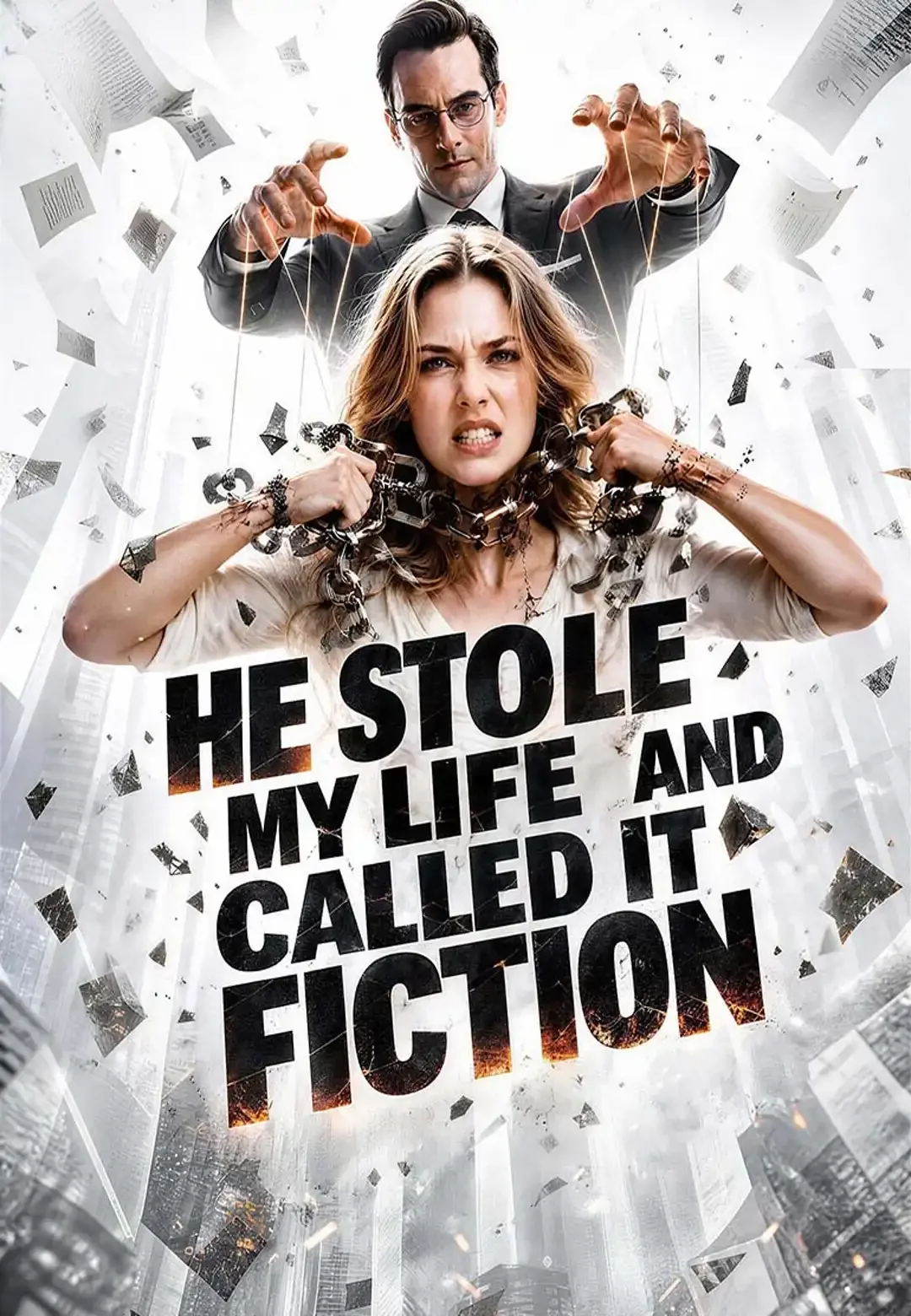
He Stole My Life and Named It Fiction
30 ตอน · Betrayal · Modern & Urban · Revenge & Comeback · Strong Return · Thriller & Mystery · Underdog & Comeback
- 29คะแนนความฮอต
- 0ยอดบันทึก
- 0ยอดกดดู
- ยังไม่มีเรตติ้ง– / 10
เรื่องย่อ
Nora Hale was a gifted novelist who locked her most treasured manuscript, The Ashes We Kept, in a drawer at her mother's request. Eight years later, her husband Evan Cross becomes a literary sensation with The Wife Who Burned the House—every scar, fear, childhood trauma, and marital secret from Nora's life appears in his book, word for word. When Nora confronts him at a book signing, Evan has already laid his trap. He has told the media his wife is "emotionally unstable," forged a transfer agreement, and edited videos to make her look delusional. Overnight, Nora becomes the "crazy wife jealous of her husband's success." Her bank accounts freeze, her clients disappear, her daughter is taken, and even her mother goes on television to question Nora's memory. Nora loses everything—except her command of words. With her friend Maya's help, she reverse-engineers Evan's bestseller, page by page against her eight-year-old manuscript. Every passage critics praised came from her original draft; every scene where the wife is humiliated, punished, or burned alive was added later by Evan. She launches a live "page-by-page" reading, letting the world compare the two books for themselves. But Evan's legal team and his lover-editor Sloane block accounts, forge evidence, threaten witnesses, and rush a film into production to cement Nora's image as the "crazy wife." Then Sloane discovers Evan's backup plan—to blame her for the entire theft. Enraged, she flips, delivering the complete evidence: raw storage cards, unedited footage, forged agreement templates, and internal emails plotting the "crazy wife" campaign. At the annual book awards, Evan is about to accept literature's highest prize. Nora is barred at the door. But Sloane walks onstage with a silver evidence case. The unedited recording plays. The forged agreement is exposed. Cornered, Evan screams into the live microphone: "Your name wouldn't sell—mine did!"—seven point eight million viewers hear him confess it was Nora's story. Evan's award is revoked, his contract terminated, film rights returned to Nora. The book is re-released under her name. But the real ending is not the victory—it is the young reader from Episode One, the one who cried "that line saved me," asking Nora at the new signing: "How much of this book is true?" Nora smiles and answers: "The pain is real. How it gets told—that's mine now." She didn't just reclaim a book. She reclaimed the only right that matters: the right to define her own story.
ดูได้ที่ไหน

รีวิวเด่น
ยังไม่มีใครรีวิวเรื่องนี้
รายละเอียด
- จำนวนตอน
- 30 (ฟรี 2, เสียเงิน 28)
- คำบรรยาย
- อังกฤษ
ข้อมูลขาดหรือผิด? แนะนำการแก้ไข